
ACFCC · STABLECOIN POLICY · 5 NOVEMBER 2026
The GENIUS Act moves from statute to proposed stablecoin rules
Federal Reserve proposals put reserve assets, capital and custody at the center of the next stage of U.S. payment-stablecoin regulation.
Federal Reserve Board, September 24, 2026; GENIUS Act, Public Law 119-27. DCIN explanatory reporting, November 5, 2026.
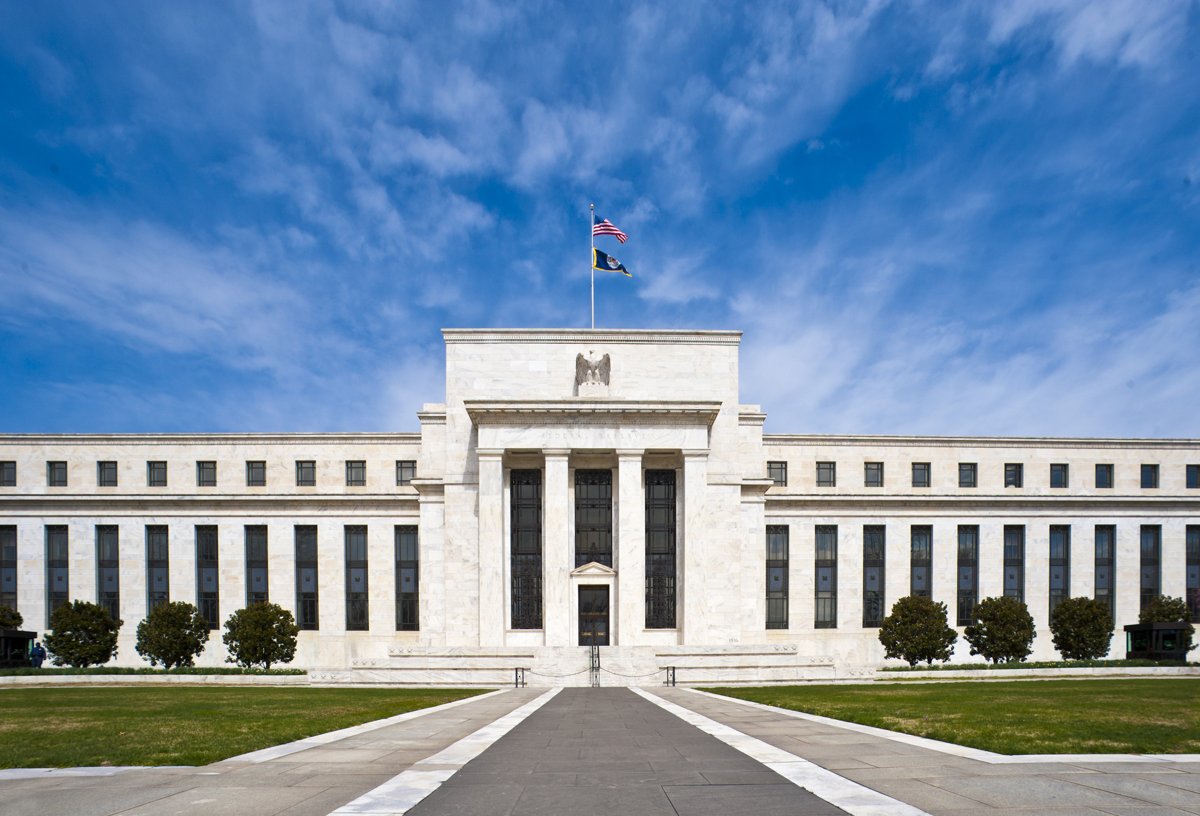
The regulatory story for U.S. payment stablecoins is no longer only about whether Congress will write a framework. The GENIUS Act became law on July 18, 2025. On September 24, 2026, the Federal Reserve Board requested public comment on two proposals implementing parts of that framework for payment-stablecoin issuers it supervises. The distinction matters: an enacted statute and an agency proposal are not the same stage of policymaking.
The first proposal would require Board-supervised issuers to fully back payment stablecoins with permissible reserve assets, including short-term Treasury bills and certain other high-quality liquid assets. It would also establish standardized capital requirements addressing credit and operational risks, alongside risk-management standards. Those are proposed supervisory requirements, not a claim that every stablecoin currently satisfies them.
Custody is another part of the package. The Board proposes rules for supervised firms that safekeep the assets backing payment stablecoins and clarification of the permissibility of related bank activities. For readers comparing digital dollars, this separates the token used for payments from the assets, institutions and controls supporting its redemption.
A second proposal would establish a tailored application process for Board-supervised banks seeking to issue payment stablecoins. Applicants would provide a business plan and financial information, with processes covering appeals, hearings and final determinations. The announcement says the comment period closes 60 days after publication in the Federal Register; readers should consult the linked official record for the operative deadline.
The proposals do not by themselves settle every regulator’s responsibilities or every issuer’s eligibility under the Act. Nor do they mean a privately issued payment stablecoin is identical to a commercial-bank deposit. The practical questions remain specific: who issues the instrument, which regulator supervises the issuer, what assets back it, and what rights the holder has.
This explainer describes the September announcement verified for this edition. It does not assert that the proposals have subsequently become final. DCIN will distinguish enacted law, proposed rules and effective requirements as later official notices emerge. This coverage is informational, not legal or investment advice.
Questions this story raises
Are the Federal Reserve’s proposed stablecoin rules already final?
The September 24 source describes proposals for public comment. This article does not establish a subsequent final rule; check the official rulemaking record before relying on a requirement.
Does a payment stablecoin automatically become a bank deposit?
No. The proposal concerns payment-stablecoin issuance and backing. Readers still need to examine the issuer, legal claim, redemption terms and applicable supervisory framework for the particular instrument.
Sources & attribution
Federal Reserve Board, September 24, 2026; GENIUS Act, Public Law 119-27. DCIN explanatory reporting, November 5, 2026.
Federal Reserve: September 24 proposalsGENIUS Act — enacted statute