
ACFCC · SEC LEADERSHIP · 13 NOVEMBER 2026
Trump names new SEC commissioners: what the departure of “Crypto Mom” means for America’s digital-asset future
The nomination of Steven Levine to replace Hester Peirce opens a new chapter in U.S. crypto regulation — and the real test is whether the Crypto Task Force’s progress becomes lasting legal clarity.
DCIN editorial, November 13, 2026. Sources: White House nominations of November 12, 2026; SEC statement on Hester Peirce’s departure; SEC Crypto Task Force.
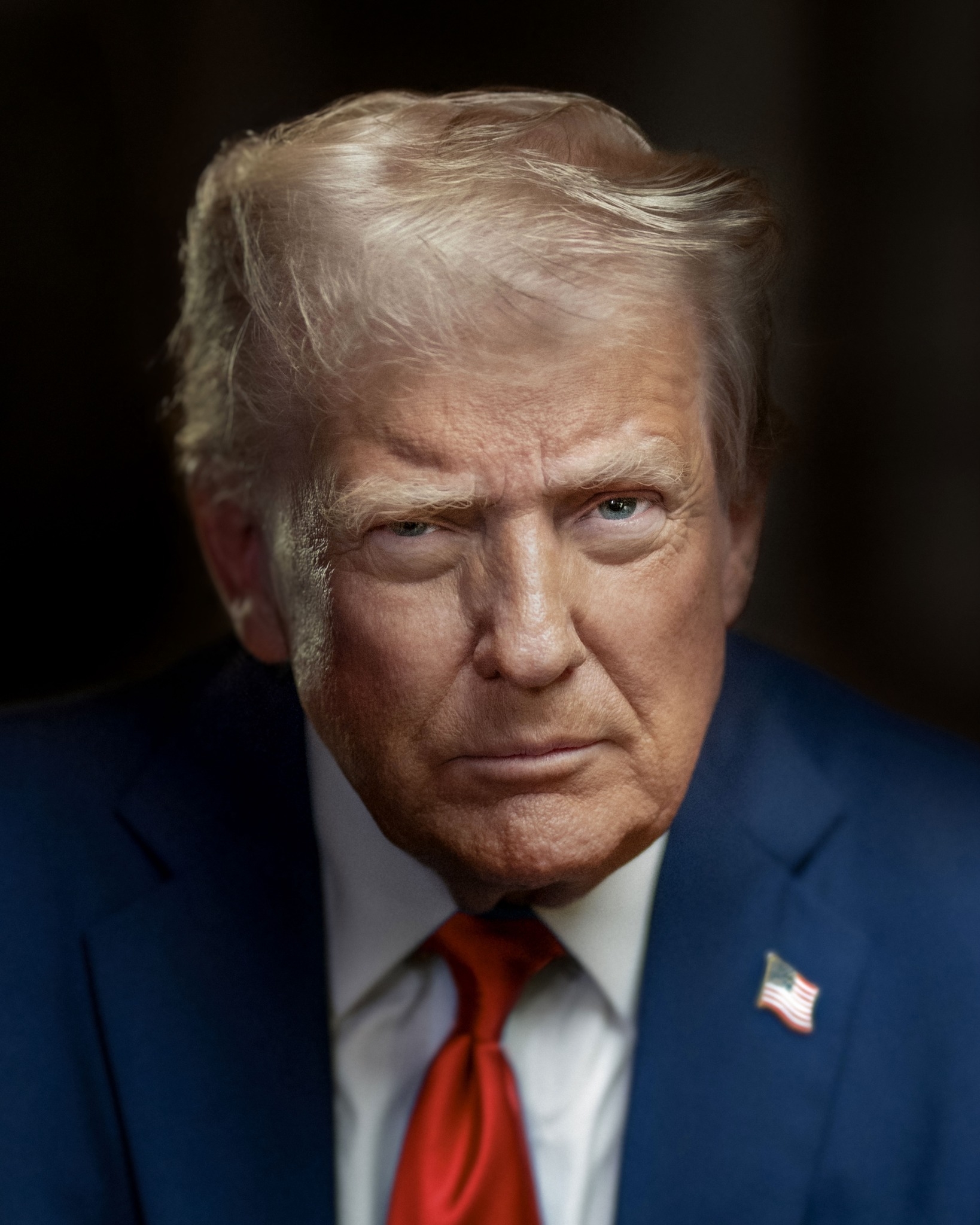
On November 12, 2026, President Donald Trump formally nominated Steven Levine to serve on the U.S. Securities and Exchange Commission, filling the seat vacated by former Commissioner Hester Peirce. The nomination, confirmed in the White House’s official submission to the Senate, would give Levine a term extending through June 5, 2030, if confirmed. For the cryptocurrency industry, the announcement represents more than a routine personnel change.
Peirce, widely known throughout the digital-asset community as “Crypto Mom,” resigned effective October 2, 2026, after serving as a commissioner since 2018. She consistently questioned whether the SEC’s traditional securities-law framework could accommodate emerging blockchain technologies, and was critical of regulating digital-asset markets through enforcement rather than first establishing clear standards. Under the second Trump administration she led the SEC’s Crypto Task Force, an initiative intended to develop clearer regulatory boundaries, practical registration pathways and more appropriate disclosure frameworks.
Levine brings a background in financial regulation, investment management and federal service. He worked in the asset-management practice at K&L Gates before joining the SEC in 2020 as senior counsel in the Division of Investment Management, later served as counsel to Commissioner Mark Uyeda, and became deputy chief of staff when Uyeda assumed the role of acting chairman in 2025. Records indicate he participated in SEC meetings involving spot Bitcoin exchange-traded products and proposed rules affecting digital-asset custody and trading platforms — familiarity with the questions, but not evidence of how he will vote.
The nomination was part of a broader package of four sent to the Senate on November 12. The White House also nominated Kristin N. Johnson, a former CFTC commissioner, to the SEC, and Nathan Anonick and Matthew Rowland to the Commodity Futures Trading Commission. Together, the SEC and CFTC nominations could significantly influence how the United States oversees digital-asset markets for the remainder of the decade — particularly for companies developing tokenized commodities, decentralized financial infrastructure, stablecoin services and blockchain-based settlement systems.
For the broader industry, the most consequential unresolved issue remains the distinction between securities and other forms of digital property. Not every blockchain-based token is an investment contract: tokens may serve as payment instruments, network-access credentials, membership rights, software utilities or settlement mechanisms, yet the economic substance of a transaction — not the name assigned to a token — remains central to whether securities laws apply. That distinction is especially important for tokenized real-world assets, where a token representing an investment interest in an oil-producing enterprise and a digital access credential for a commodity-information platform can have substantially different legal characteristics.
The nominations also arrive as policymakers examine how responsibilities should be allocated between the SEC and CFTC. Greater coordination could provide clearer expectations for exchanges, stablecoin infrastructure and tokenized commodity markets — but agency coordination cannot substitute for congressional legislation where new statutory authority is required. The Senate Banking Committee will review the nominations, and the confirmation hearings may provide the first meaningful opportunity to hear Levine explain his approach to token classification, compliance pathways and the continued work of the Crypto Task Force.
The DCIN perspective: lasting regulatory progress should not depend on any single commissioner, administration or political party. The United States needs a coherent framework that protects investors, addresses fraud and manipulation, and establishes predictable requirements for legitimate blockchain infrastructure. The objective should be neither unrestricted deregulation nor indiscriminate enforcement — it should be clear laws, consistent standards, meaningful investor protections and a practical path for compliant innovation. The next phase of America’s digital-asset economy will be shaped not simply by who regulates cryptocurrency, but by whether regulators establish rules that allow responsible innovation to flourish under the law.
Questions this story raises
Does the nomination change SEC policy immediately?
No. Until Senate confirmation, the nominations do not change the Commission’s membership. Confirmation hearings before the Senate Banking Committee come first.
Why does the SEC-CFTC split matter for tokenized assets?
Digital assets can intersect with both agencies’ jurisdictions. Clearer coordination — and, where needed, congressional legislation — determines which regulator oversees a particular token, trading activity or intermediary.
What happens to the Crypto Task Force without Hester Peirce?
The Task Force’s work on registration pathways and disclosure frameworks continues as an SEC initiative, but whether its progress becomes lasting rules now depends on the incoming commissioners’ priorities.
Sources & attribution
DCIN editorial, November 13, 2026. Sources: White House nominations of November 12, 2026; SEC statement on Hester Peirce’s departure; SEC Crypto Task Force.
White House — November 12 nominationsSEC Crypto Task Force